

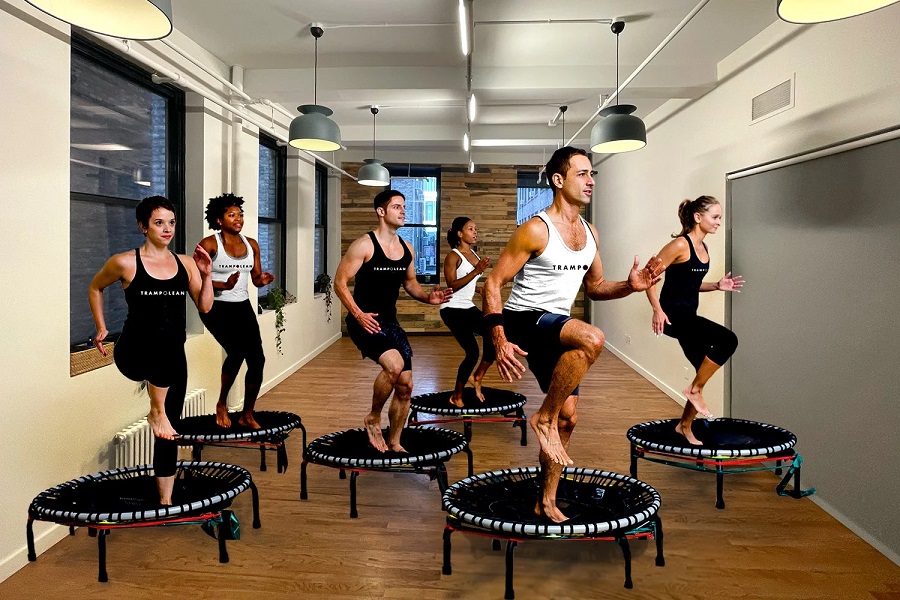
A lunchtime trampoline class singapore CBD employees attend can provide a structured break from prolonged sitting without consuming the entire working day. However, a successful corporate session requires more planning than placing a high-intensity class between two meetings.
Travel time, changing, hydration, meal timing and the return to work all affect participation. If these operational details are ignored, employees may enjoy one session but struggle to attend consistently.
Begin With the Real Time Available
A one-hour lunch break does not provide 60 minutes of exercise. Participants may need time to leave the office, reach the facility, change, cool down and return.
The usable training window may be closer to 25 or 35 minutes. A well-designed session should acknowledge this limit instead of compressing a full-length workout into an unrealistic schedule.
Starting and finishing punctually is particularly important for team sessions. One delayed participant should not cause the entire group to return late.
Organisers should test the complete office-to-class route before announcing the programme.
Location Determines Practical Participation
A class located near the workplace is easier to attend, but distance alone is not enough. The route may involve lifts, crowded crossings, mall navigation or changing between sheltered and outdoor areas.
CBD employees should consider how long the journey takes during the actual lunch period. A route that feels simple outside peak hours may become slower when offices release staff at similar times.
Facilities associated with TFX Singapore offer city-centre options that can be considered around existing workplace routines. Teams should select a location based on repeatable access rather than choosing a venue for a single event.
Participants are more likely to continue when the journey requires little decision-making.
Control Intensity for the Working Day
A lunchtime session should feel worthwhile without leaving employees unable to concentrate during the afternoon. This does not mean making the workout effortless.
The instructor can use intervals that raise breathing and challenge coordination while providing enough recovery for participants to regain control. Rebound height and cadence can be adjusted for different fitness levels.
The final part of the session should gradually reduce intensity. Ending with the hardest interval immediately before participants rush to the changing room can make the transition back to work uncomfortable.
Employees with important afternoon presentations may choose a moderate option. Participation should not require everyone to train at the same level.
Plan for Heat and Sweat
Even in an indoor environment, rebound workouts can produce substantial sweating. Participants need enough time to cool down before changing into office clothing.
Light, breathable exercise clothing and a small towel can make the process more manageable. Employees should also bring a bag that keeps used workout clothing separate from work items.
Those returning directly to formal workplaces may need access to showers and grooming facilities. This should be confirmed before the first team session.
A programme that ignores changing needs may unintentionally exclude employees whose roles require a polished appearance immediately afterwards.
Make Lunch Timing Work
Eating a large meal immediately before repeated bouncing may cause discomfort. At the same time, skipping food completely can leave some participants low on energy.
One practical arrangement is to have a light snack before the session and eat the main lunch afterwards. Another option is an earlier breakfast with a smaller pre-class snack, depending on individual tolerance.
The post-class meal should be convenient. If employees must queue for a long time and then rush back to work, the fitness session may become stressful.
Corporate organisers can help by identifying nearby meal options or allowing participants enough flexibility to eat after returning.
Create an Inclusive Intensity Structure
Corporate fitness groups often contain people with very different experience levels. Some employees may train regularly, while others may be returning after a long break.
The session should offer clear options for cadence, rebound height and movement complexity. Lower-intensity choices should be presented as valid training options, not as inferior versions.
Participants should be encouraged to inform the instructor about relevant limitations. No employee should feel pressured to disclose private medical details to colleagues.
The objective is to create a class in which different abilities can participate within one shared structure.
Protect Psychological Safety
Some employees avoid workplace fitness because they do not want their performance observed or compared. A playful class format can reduce this concern, but only if the culture remains supportive.
Managers should not use attendance or workout ability as an informal measure of enthusiasm, discipline or team commitment. Participation should remain voluntary.
Photographs and social-media posts should also require clear consent. Not everyone wants images of a sweaty workout shared internally or publicly.
A respectful environment allows employees to try something unfamiliar without worrying that mistakes will become workplace entertainment.
Integrate the Session With Sitting Breaks
One weekly class cannot completely offset long periods of sitting. It works best as part of a broader movement strategy.
Employees can take short walking breaks, use stairs where practical and avoid remaining in the same position for hours. These small actions do not replace structured exercise, but they support daily activity.
The trampoline session can become a weekly anchor that gives the team something active to anticipate. Other days may involve quieter movement that fits naturally into office routines.
This produces a more realistic wellness culture than relying on occasional high-energy events.
Measure Success Beyond Attendance
Initial attendance may be high because the class is new. The more useful measure is whether employees continue after the novelty has reduced.
Organisers can ask about timing, class intensity, travel and changing arrangements. Feedback should lead to practical changes rather than being collected as a formality.
It may be helpful to compare different lunchtime slots or session lengths. A slightly shorter class with reliable attendance may provide more value than an ambitious format people cannot fit into their day.
Success can also include improved team interaction and a more positive lunch break, not only physical performance.
Build a Repeatable Corporate Routine
A lunchtime trampoline session should simplify the working day rather than complicate it. The location, duration and intensity must work together.
When the full routine fits within the available time, employees can exercise, recover and return without feeling that they have fallen behind. Clear modifications allow both experienced and less-active participants to take part.
The strongest corporate programmes respect work responsibilities while protecting the value of the fitness session. With realistic scheduling and an inclusive class structure, a CBD team can turn an ordinary lunch break into a practical and sustainable movement opportunity.
