

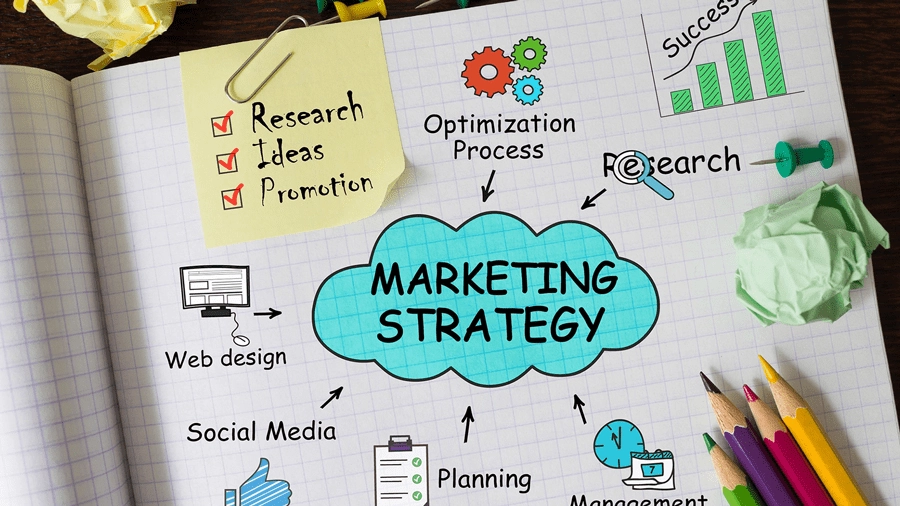
Modern consumers do not interact with brands in a vacuum. A typical buyer journey might begin with a casual glance at a social media post, transition into an informational search engine query, progress through an email newsletter subscription, and ultimately conclude with an in-store or e-commerce purchase. When an organization runs isolated campaigns across these touchpoints without a central strategy, its message becomes fragmented, confusing the target audience and diluting brand equity.
Integrated marketing resolves this operational friction by uniting all promotional channels under a single, cohesive narrative. Rather than treating social media, email, public relations, and paid advertising as separate corporate silos, integrated marketing treats them as interconnected components of a unified ecosystem. When executed with precision, this holistic approach increases brand recall, optimizes marketing spend, and accelerates customer acquisition by delivering a consistent message at every stage of the funnel.
The Structural Framework of an Integrated Campaign
To build a successful integrated marketing campaign, organizations must shift away from channel-first thinking and adopt a narrative-first mindset. This structure ensures that the underlying value proposition remains steady, regardless of the media format used to deliver it.
Defining the Core Narrative Anchor
Every integrated initiative requires a central thematic anchor. This is not merely a creative tagline, but a fundamental concept or solution that directly addresses a specific consumer pain point. The narrative anchor must be broad enough to adapt to various media formats, yet specific enough to drive measurable business actions. Once established, this core theme dictates the creative direction for all subsequent assets, ensuring that a billboard in a major city shares the exact psychological DNA as a fifteen-second video on a smartphone screen.
Synchronizing Cross-Channel Execution
True integration means that individual marketing channels actively support and amplify one another. For instance, a direct mail campaign should feature personalized digital landing page links, while an offline experiential event should leverage social media hashtags and location-based mobile advertising to extend its reach. By creating these operational loops, leaders maximize the return on investment for each individual asset, guiding prospects seamlessly from offline awareness to digital conversion.
Innovative Integrated Marketing Ideas for Modern Brands
Developing compelling multi-channel campaigns requires blending creative storytelling with data-driven delivery mechanisms. Below are several highly effective conceptual frameworks for modern integrated initiatives.
The Educational Resource Ecosystem
This approach positions an organization as the definitive authority within its industry by building a comprehensive content ecosystem across multiple media channels.
-
Top-of-Funnel Anchor: The campaign begins with a comprehensive, data-driven research report or an educational documentary style video series hosted on the company website.
-
Social Amplification: Creative teams break down the core resource into micro-content, including data visualizations for professional networking platforms, short-form video summaries for mobile apps, and interactive audio discussions on digital networks.
-
Lead Capture and Nurturing: Interested prospects download the complete resource via targeted paid search and display advertisements, entering an automated email sequence that provides advanced case studies tailored to their specific market segment.
-
Offline Integration: Sales teams distribute physical, high-quality print editions of the report during major trade shows and industry conferences, using the physical asset to initiate high-value account conversations.
The Interactive User-Generated Movement
This framework leverages the creative power of an existing customer base, turning consumers into brand advocates while maintaining a structured corporate narrative.
-
The Core Activation: The brand launches a digital hub inviting users to share their unique stories, creative uses, or personal transformations associated with the product, bound together by a universal campaign phrase.
-
Digital Incentivization: Personalized email campaigns and targeted mobile alerts encourage existing loyalty members to participate, offering early access to product releases or community recognition as incentives.
-
Community Showcasing: The finest user-submitted content is curated and dynamically featured across the brand’s primary digital real estate, organic social feeds, and programmatic digital out-of-home billboards in high-traffic urban areas.
-
Conversion Closing: Retargeting ads display these real-world user testimonials to warm prospects who have abandoned their shopping carts, utilizing authentic social proof to overcome purchase hesitation.
The Experiential Digital-Physical Fusion
This strategy bridges the gap between physical retail spaces or live events and virtual brand environments, maximizing engagement across both realms.
-
Physical Trigger points: The brand installs interactive installations, pop-up environments, or unique product packaging that utilizes scannable digital codes or augmented reality triggers.
-
Virtual Extension: Scanning the physical object transports the user into an immersive digital environment, such as a virtual showroom, a gamified challenge, or an exclusive digital community.
-
Localized Amplification: While users interact with the physical installation, geo-fenced mobile advertisements deploy hyper-local promotional offers to consumers within a specific radius, driving immediate foot traffic to nearby retail locations.
-
Post-Event Retention: Attendees who engage with the digital extension are enrolled in an omni-channel retargeting campaign, receiving tailored email summaries and social media promotions that prolong the lifecycle of the initial interaction.
Overcoming Key Implementation Obstacles
Despite the undeniable benefits of a unified approach, executing an integrated marketing campaign introduces significant operational complexities. Leaders must proactively identify and resolve these internal friction points.
Breaking Down Departmental Silos
The single largest barrier to integrated marketing is organizational structure. Creative teams, digital advertising specialists, public relations managers, and data analysts frequently operate in isolation, protecting their own budgets and pursuing disparate performance metrics.
To achieve true integration, leadership must establish cross-functional campaign units. These units must share a singular budget and be evaluated based on the collective success of the macro-initiative rather than individual channel performance.
Maintaining Asset Consistency Without Monotony
While visual and verbal consistency is vital, blindly copy-pasting the exact same creative asset across every platform leads to audience fatigue and poor channel performance. Each media channel possesses unique technical constraints, user behaviors, and cultural norms.
An image that performs exceptionally well in a printed magazine may feel sterile and out of place on an organic social timeline. Teams must practice creative adaptation, ensuring that while the underlying narrative and brand guidelines remain identical, the formatting, tone, and delivery are optimized for the specific medium.
Measuring the Success of Integrated Initiatives
Evaluating a multi-channel campaign requires looking beyond isolated channel metrics like social media likes or click-through rates. Instead, analysts must deploy macro-level measurement methodologies.
Utilizing Unified Marketing Mix Modeling
Marketing Mix Modeling uses advanced statistical analysis to evaluate historical sales data alongside multi-channel spending patterns. This framework allows organizations to understand how different channels interact with one another, such as how an increase in television or public relations spend improves the efficiency of paid search ads. By tracking these mathematical correlations, leaders can optimize their capital allocation across the entire marketing mix.
Monitoring Direct and Brand Search Lift
A highly reliable indicator of a successful integrated campaign is a sudden, sustained increase in direct website traffic and branded search engine queries. When consumers are exposed to a harmonious message across multiple touchpoints, their baseline awareness grows. Rather than relying entirely on clicking a specific trackable advertisement, they begin proactively searching for the company by name, signaling strong top-of-mind brand recall.
Frequently Asked Questions
What is the fundamental difference between multi-channel marketing and integrated marketing?
Multi-channel marketing simply means utilizing more than one platform to distribute a message, such as running print ads and social media posts simultaneously, often with different creative concepts and goals. Integrated marketing goes a step further by ensuring that all of those channels are tightly aligned, sharing the same core narrative, visual identity, and strategic objectives, so they work together as a synchronized system rather than isolated projects.
How can a business with a limited budget execute an integrated marketing campaign?
Budget constraints should not prevent integration, as the methodology relies on strategic alignment rather than massive financial expenditure. A small business can select just two or three highly relevant channels, such as email, organic search, and a single social media platform. By using the exact same messaging themes, imagery, and promotional offers across those few channels simultaneously, the business creates an impactful, unified experience without overextending its capital.
How do you resolve creative disagreements between internal teams during a campaign design?
Creative friction can be mitigated by relying on pre-established brand guidelines and objective consumer data rather than subjective opinions. Before designing assets, all teams must agree on the core narrative anchor and the target persona profiles. If disagreements persist regarding asset formatting, use split-testing methodologies on a small scale to let real-world audience engagement data dictate the final creative direction.
What role does marketing automation play in supporting integrated ideas?
Marketing automation serves as the operational glue that connects different customer touchpoints. It allows a business to trigger specific actions across channels based on real-time consumer behavior. For example, if a prospect attends an offline event, the automation system can instantly update their profile, deploy a personalized follow-up email sequence, and trigger targeted social media advertisements based on the specific topics the attendee explored.
How can business-to-business organizations adapt integrated concepts compared to consumer brands?
While consumer brands often focus on broad emotional narratives and mass media channels, business-to-business firms adapt integrated marketing to target specific corporate decision-makers. B2B campaigns rely heavily on account-based marketing frameworks, aligning highly technical whitepapers, educational webinars, personalized direct mail packages, and targeted professional network advertising to guide complex buying committees through long sales cycles.
How long should an integrated marketing campaign typically run to see measurable results?
While short-term tactical promotions might last only a few weeks, a comprehensive integrated campaign generally requires an operational window of ninety days to six months to gather sufficient data and achieve meaningful audience penetration. This timeframe allows the cross-channel compounding effects to mature, providing enough room to optimize underperforming assets and measure long-term brand lift accurately.
