

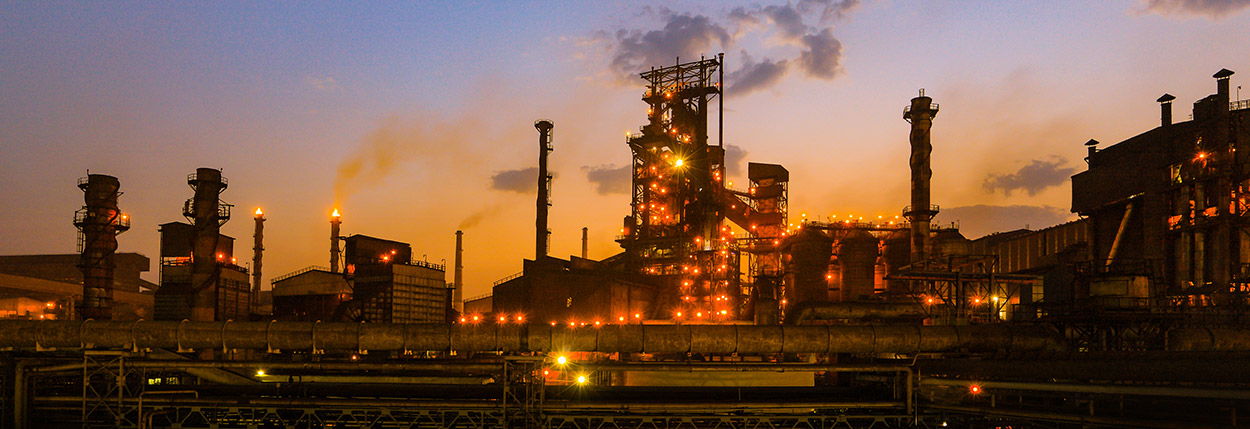
Industry has long been the backbone of modern economies, driving growth, shaping social structures, and catalyzing technological innovation. From the early days of the Industrial Revolution to the present era of automation and digitalization, the evolution of industry reflects the shifting tides of human progress and the ever-growing complexities of the global economy. Today, industries span diverse sectors, from manufacturing and agriculture to technology and healthcare, each with its own unique challenges and opportunities. The story of industry is one of transformation—an ongoing narrative of how human ingenuity and ambition have reshaped the world. In this article, we explore the history, impact, and future of industry, examining its role in shaping societies, driving economic change, and adapting to technological advancements.
The Birth of Industry: The Industrial Revolution
The term “industry” in its modern sense emerged during the Industrial Revolution, a period of profound economic and social transformation that began in the late 18th century. Prior to this, economies were primarily agrarian, and the majority of people worked on farms or in small craft-based workshops. However, with the advent of new technologies—such as the steam engine, mechanized looms, and the power loom—production processes became more efficient, allowing goods to be produced in large quantities and at lower costs. This shift from handcraft production to machine-based manufacturing marked the birth of the industrial age.
The Industrial Revolution began in Britain, where a combination of factors—such as access to coal and iron, an expanding colonial empire, and the rise of banking and finance—created the ideal conditions for industrial growth. Cities began to expand as people migrated from rural areas in search of factory jobs, leading to the development of new urban centers. The rapid growth of industries like textiles, coal mining, and steel production not only fueled economic expansion but also introduced new ways of working, living, and thinking.
The rise of industry during this period had profound social consequences. While it generated immense wealth for some, it also led to the exploitation of workers, particularly women and children, who labored under harsh and often dangerous conditions. The industrial workforce was subjected to long hours, poor wages, and a lack of basic rights, giving rise to the labor movement and the eventual establishment of worker protections and unions. Despite these early challenges, the Industrial Revolution laid the foundation for the global industrial economy we know today.
Industry in the 20th Century: Mass Production and Globalization
The 20th century saw the further expansion and diversification of industry, particularly through the advent of mass production and the rise of consumer culture. With the development of assembly line techniques—most famously employed by Henry Ford in the automobile industry—companies were able to produce goods more quickly, efficiently, and affordably than ever before. The result was an explosion of consumer goods, from automobiles and household appliances to electronics and clothing, all of which became accessible to a broader population.
Mass production revolutionized industries across the board, but it also brought new challenges. As production scaled up, companies faced the need to streamline operations, reduce costs, and manage supply chains more effectively. The rise of multinational corporations (MNCs) also contributed to the global spread of industrialization, as companies expanded their operations beyond national borders in search of new markets and cheaper labor.
Alongside these developments, the 20th century also witnessed the rise of service industries. Sectors such as finance, healthcare, education, and entertainment became increasingly important as economies shifted away from primary and secondary industries (agriculture and manufacturing) toward tertiary industries. The growth of these service-oriented industries played a crucial role in the rise of developed economies, particularly in countries like the United States, which became the epitome of a post-industrial society in the latter half of the 20th century.
Technological advancements during this time—such as the advent of computers, automation, and the internet—further reshaped industry. The development of information technology, in particular, allowed industries to become more interconnected, driving efficiencies, enabling new business models, and fostering innovation. The 20th century was marked not only by the proliferation of mass production but also by the birth of the digital age, which would go on to change the face of industry in the 21st century.
The Impact of Industry on Society and the Environment
The influence of industry extends far beyond the realm of economics—it has reshaped societies, altered political landscapes, and had a profound impact on the environment. The growth of industrialization has led to the creation of urban centers, the expansion of infrastructure, and the development of complex global supply chains. However, this transformation has also introduced significant challenges, particularly in terms of environmental sustainability.
The rise of industry has been closely linked to environmental degradation, as industrial processes have often relied on the extraction of natural resources, the burning of fossil fuels, and the release of pollutants into the atmosphere. The detrimental effects of industrialization on the environment became increasingly apparent in the 20th century, leading to growing concerns about climate change, air and water pollution, and the depletion of natural resources. The environmental cost of unchecked industrial growth became a key issue in the latter half of the century, prompting a shift toward more sustainable practices and the development of green technologies.
In addition to environmental challenges, the social implications of industrialization have been equally significant. While industry has created wealth and driven economic development, it has also exacerbated social inequalities. The concentration of wealth in the hands of industrialists and multinational corporations has led to the widening gap between the rich and the poor, particularly in developing countries where labor exploitation remains prevalent. In response to these disparities, movements advocating for workers’ rights, environmental protection, and fair trade have gained momentum, pushing industries to adopt more ethical and sustainable practices.
Industry in the 21st Century: Automation, Digitalization, and Sustainability
The 21st century has ushered in a new era for industry—one defined by automation, digitalization, and sustainability. Automation, powered by artificial intelligence (AI), robotics, and machine learning, is transforming the manufacturing process, enabling businesses to produce goods with greater precision, efficiency, and speed. While automation holds the promise of reducing labor costs and improving productivity, it also raises concerns about job displacement and the future of the workforce. As machines and algorithms take over routine tasks, questions about the role of human labor in the future of industry remain at the forefront of economic and social debates.
Digitalization has also played a pivotal role in reshaping industry. The rise of the Internet of Things (IoT), big data analytics, and cloud computing has made it possible for companies to monitor, optimize, and innovate their operations in real time. Industry 4.0, as this new wave of technological transformation is often called, is characterized by interconnected systems, smart factories, and data-driven decision-making, all of which are revolutionizing the way businesses operate.
Equally important is the growing emphasis on sustainability in industry. As global awareness of environmental issues continues to rise, industries are under increasing pressure to adopt green technologies, reduce their carbon footprints, and move toward circular economies. The transition to renewable energy sources, the development of electric vehicles, and the push for zero-waste production processes are just a few examples of how industries are aligning themselves with sustainability goals.
The Future of Industry: Challenges and Opportunities
Looking ahead, the future of industry is likely to be shaped by several key factors, including technological advancements, demographic shifts, and environmental concerns. One of the most pressing challenges for industry in the coming years will be balancing the drive for innovation with the need for social and environmental responsibility. As automation and AI continue to reshape the workforce, industries will need to adapt by retraining workers and creating new opportunities for employment in emerging sectors.
Moreover, the global nature of modern industry means that businesses will need to navigate an increasingly complex landscape, with geopolitical tensions, trade wars, and supply chain disruptions becoming more frequent. Companies will have to find ways to manage risk while continuing to innovate and expand into new markets.
In conclusion, the story of industry is one of constant transformation—an ongoing process of adaptation, reinvention, and progress. From the steam-powered machines of the Industrial Revolution to the intelligent algorithms of the digital age, industry has shaped the modern world in profound ways. As we move forward, the key to success will lie in how industries embrace the challenges of automation, sustainability, and social responsibility while continuing to drive innovation and economic growth. The future of industry promises both immense opportunities and significant challenges, and it is up to today’s leaders to navigate this evolving landscape with vision, ingenuity, and purpose.
